The Reverse Shells and Red Team Scripts Notes | Cyber Security
Within the reverse shell notes, multiple bind and reverse shell implementations are demonstrated using Netcat, Bash, Python, PowerShell, PHP
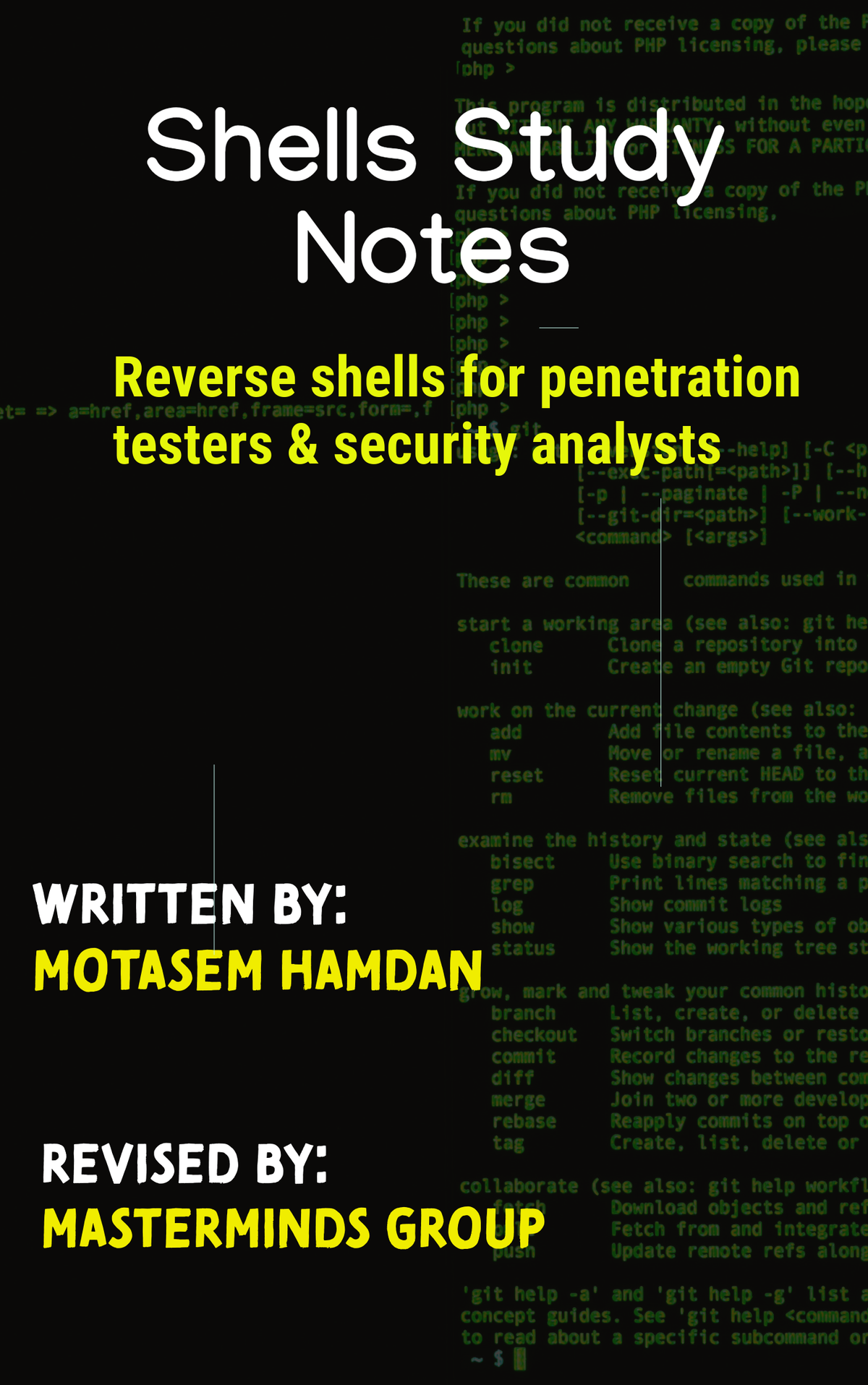
The reverse shell notes and structured shell payload notes deliver a comprehensive breakdown of shell-based exploitation techniques essential for professional penetration testing.
Rather than offering surface-level examples, these notes explore practical methods for escaping restricted environments using tools like awk, Python, and SSH, while also covering advanced credential extraction techniques such as leveraging Mimikatz in domain environments.
Within the reverse shell notes, multiple bind and reverse shell implementations are demonstrated using Netcat, Bash, Python, PowerShell, PHP, and even unconventional channels such as ICMP and Jenkins-based execution.
The shell payload notes further expand into post-exploitation workflows, including Active Directory enumeration scripts that strengthen lateral movement and privilege escalation strategies.
A strong emphasis is placed on ethical application and legal boundaries, reinforcing that these techniques must be used responsibly within authorized testing environments.
Technical Depth & Operational Coverage
The reverse shell notes are command-driven and highly technical, detailing exact syntax and scripting methods for bypassing restrictions and maintaining controlled access to compromised systems.
The shell payload notes cover:
- Shell Fundamentals: Core concepts behind reverse and bind shells and their operational roles in offensive security.
- Restricted Shell Escapes: Techniques using utilities like
awk,find, SSH, Python, and Perl to break out of constrained environments. - Credential Extraction: Practical use of Mimikatz to harvest credentials across domain-joined systems.
- System Disruption Techniques: Demonstrations of fork bombs and resource exhaustion scenarios for controlled lab environments.
- Pre-Compromise Payloads: Crafting reverse shells in Bash, Python, PHP, PowerShell, Java, and other languages.
- Enumeration & Pivoting: Network discovery, Active Directory user enumeration, and lateral movement methodologies.
- Firewall Evasion: Bypassing filtering mechanisms using encrypted tunnels and Python-based transport techniques.
- Malicious Payload Development: Creating and deploying web shells, HTA-based payloads, macro-enabled Office shells, and privilege escalation mechanisms.
Together, these reverse shell notes and shell payload notes function as an operational handbook for understanding shell-based access, persistence, and post-exploitation control in modern security testing environments.
How to get the notes?
You can get the notes directly by clicking on the button below
After you buy the booklet, you will be able to download the PDF booklet along with the markup files if you want to import them to Obsidian software.
What about the notes updates?
if you have been watching my YouTube Channel, you definitely know that those who subscribe to the second tier of my channel membership they instantly get access to a vast catalog of cybersecurity, penetration testing, digital marketing, system administration and data analytics notes catalog for 10$ along with the ability to receive all notes updates as long as they are subscribed so what does that mean?
This means if you want to stay up to date with the changes and updates to the notes and get access to other categories, I encourage to join the channel membership second tier instead. However, if you are fine with downloading the current version of this section of the notes then you can buy this booklet instead for a one-time payment.
Will the prices of this booklet change in the future?
Once another version of this booklet is released, which it will, the price will slightly change as the booklet will include more contents, notes and illustrations.