Splunk SIEM Study Notes | Cybersecurity Notes
A comprehensive Splunk Study Guide breaks the ecosystem into three foundational components
An organization may invest heavily in perimeter defenses and policy frameworks, but without deep insight into internal activity, those protections are merely cosmetic. That is why a structured Splunk Study Guide paired with operational SIEM notes is essential for modern defenders.
Security Information and Event Management platforms function as the central intelligence hub of the SOC, and Splunk remains one of the most powerful among them. Yet mastering it goes far beyond clicking through dashboards.
A serious Splunk Study Guide teaches you to understand machine data architecture at its core , how logs are collected, transformed, indexed, and queried at scale.
These SIEM notes form a tactical framework for converting unstructured log streams into structured, high-confidence intelligence.
Designed for engineers, analysts, and architects, this resource equips you to handle ingestion pipelines, parsing logic, normalization, and search optimization with precision.
Inside The Notes: Forwarders, Indexers, and Search Heads
To truly command Splunk, you must first understand its internal anatomy. A comprehensive Splunk Study Guide breaks the ecosystem into three foundational components, turning theory into operational clarity.
Forwarders serve as the data collectors. Installed on servers, endpoints, and network devices, they gather logs directly at the source.
The SIEM notes clarify the difference between the lightweight Universal Forwarder optimized for minimal system impact and the Heavy Forwarder, which can filter and parse events before forwarding them upstream. Selecting the correct deployment model directly affects bandwidth usage, latency, and storage efficiency.
Next comes the Indexer, the engine room of the platform. This is where raw machine data is parsed into structured events and written into organized storage buckets.
A strong Splunk Study Guide emphasizes that the Indexer does far more than store logs , it performs timestamp extraction, event segmentation, and indexing operations that enable near-instant query performance.
Finally, the Search Head operates as the analytical command layer. It is here that analysts interact with data using the Search Processing Language (SPL), building correlations, dashboards, alerts, and investigative workflows.
The SIEM notes reinforce a critical principle: while the Search Head delivers visibility and insight, its effectiveness depends entirely on the health, scalability, and configuration of the Forwarders and Indexers beneath it.
Mastery of Splunk, therefore, is mastery of the entire data lifecycle from ingestion to intelligence.
Why will you need a notes system?
You could be actively working as Splunk SIEM specialist or you could be preparing and studying for Splunk certification exams . In both cases, a set of notes maintained in your repository where you can search for commands, concepts or use cases that could aid you in the task you are performing is necessary for a productive studying and/or working.
The Splunk SIEM Field Notes Catalog
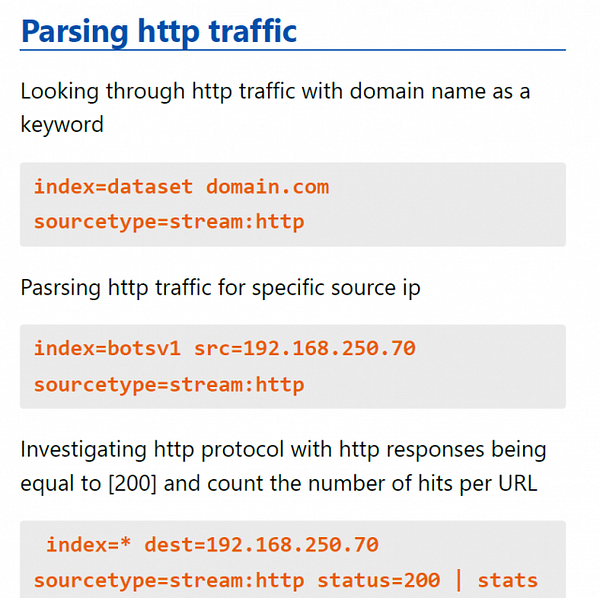
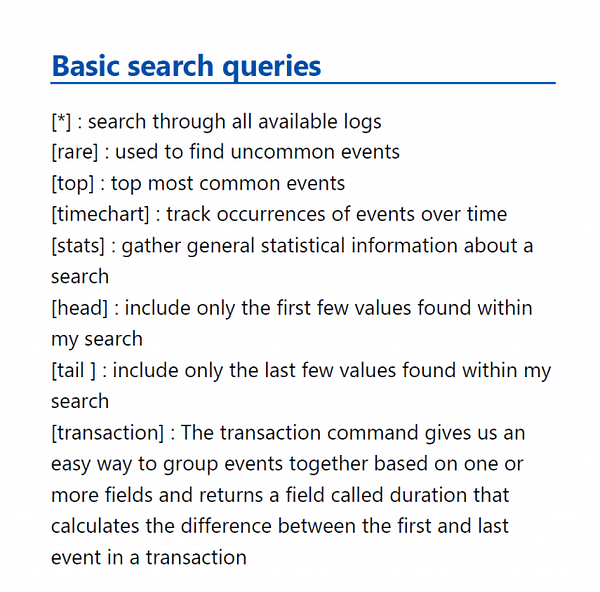
Simply this 27 pages-booklet covers operational notes, search queries, commands and different scenarios of using Splunk SIEM to conduct cyber investigation or incident response.
Splunk SIEM Field Notes
How to buy the booklet?
You can buy the booklet directly by clicking on the button below
After you buy the booklet, you will be able to download the PDF booklet along with the markup files if you want to import them to Obsidian software.
What about the notes updates?
if you have been watching my YouTube Channel, you definitely know that those who subscribe to the second tier of my channel membership they instantly get access to a vast catalog of cybersecurity, penetration testing, digital marketing, system administration and data analytics notes catalog for 10$ along with the ability to receive all notes updates as long as they are subscribed so what does that mean?
This means if you want to stay up to date with the changes and updates to the notes and get access to other categories, I encourage to join the channel membership second tier instead. However, if you are fine with downloading the current version of this section of the notes then you can buy this booklet instead for a one-time payment.
Will the prices of this booklet change in the future?
Once another version of this booklet is released, which it will, the price will slightly change as the booklet will include more contents, notes and illustrations.